

Employees
3,500 across Europe
Locations
32 across 11 countries
Operations
600+ tonnes processed daily
Key dependencies
Water availability, temperature stability, supply chain resilience
Key outcomes
01
Transition from qualitative sustainability assessments to structured, decision ready risk understanding across 10+ countries and 30+ locations
02
Improved visibility of environmental exposure across multiple facilities and geographies
03
Strengthened ability to assess potential operational and financial implications of climate and nature-related factors
04
Integration of sustainability considerations into strategic and long-term planning processes
05
Establishment of a consistent analytical foundation for evaluating value chain dependencies and vulnerabilities
06
Increased alignment between sustainability priorities and core business decision making
The context
A textile services giant where water and temperature are essential parts of the business model.
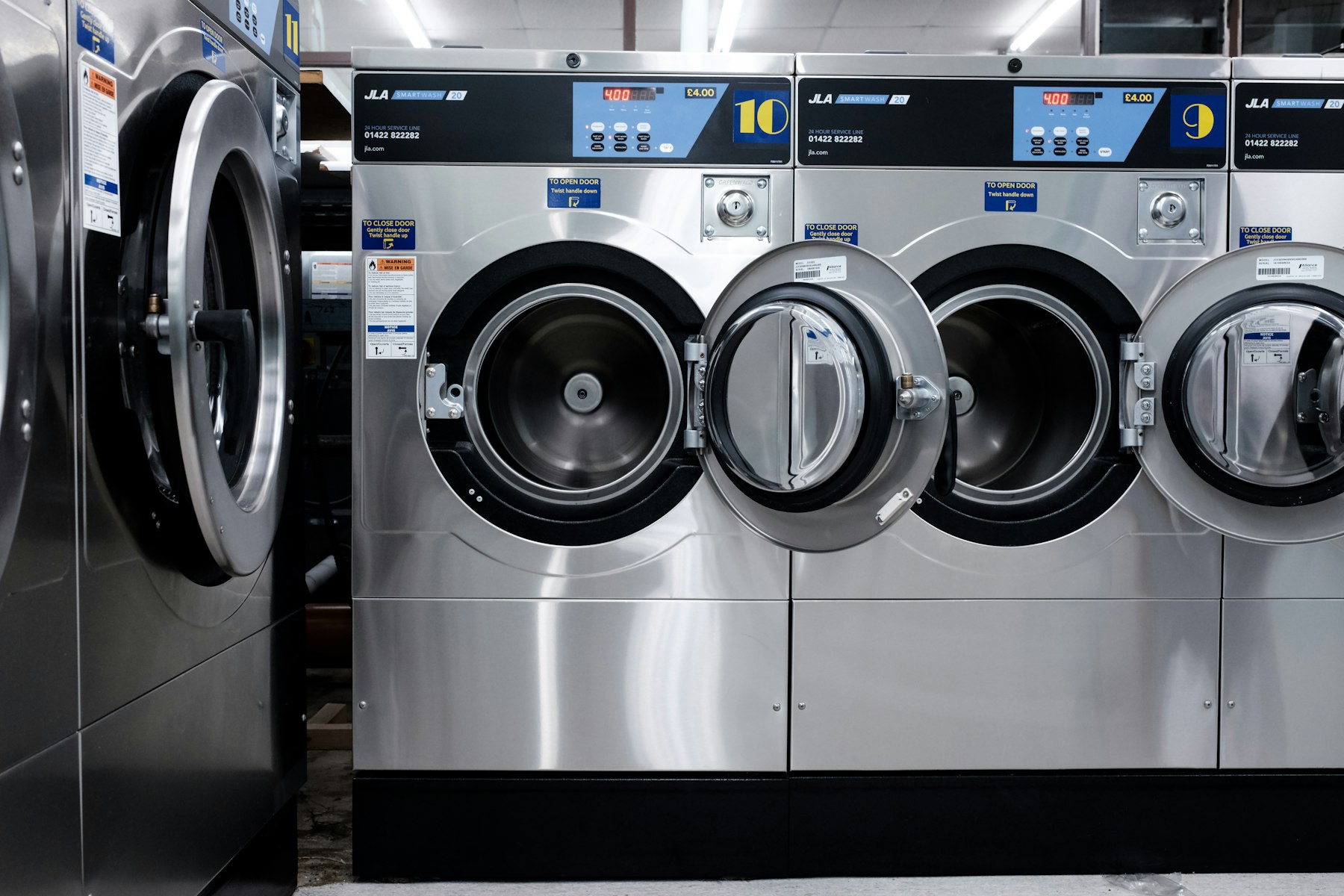
SALESIANER is one of Europe’s leading laundry service providers, employing 3,500 people across 11 countries and 32 locations while processing more than 600 tons of laundry every day. For a business heavily dependent on water availability, temperature stability, and resilient supply chains, understanding how climate change and biodiversity loss could affect its operations was crucial.
As sustainability became an increasingly important strategic priority, the company sought a comprehensive assessment of these risks.
Why this mattered
When water and temperature
are essential, climate risk isn’t abstract.
While physical climate risks and biodiversity risks had already been identified, they remained largely qualitative assessments.
Without reliable data and a clear framework for analysis, answering questions below with confidence was nearly impossible: How would rising temperatures affect operations across dozens of facilities? How vulnerable were sites to changing water availability? What could biodiversity loss mean for the wider value chain?
Accessing the right datasets
Understanding what the data was actually saying
Putting the findings into a meaningful business context
Translating the results into implications like financial impact for their business model and the entire value and supply chain
Assessing of transitional risks
Five building blocks of the SALESIANER implementation.
The Impact
From qualitative awareness to measurable business intelligence.
The breakthrough came when climate and biodiversity risks stopped being abstract sustainability topics and became measurable business variables. SALESIANER began quantifying climate and biodiversity risks across its operations and assessing their potential economic impact, rather than relying solely on qualitative analysis. The discussion shifted from: What risks might exist? To What do these risks mean for our business model, our locations, and our long-term strategy? That change allowed sustainability considerations to become part of strategic decision making rather than a standalone reporting exercise.
What refinq delivers
CSRD / ESRS E1, E3 & E4 · EU Taxonomy (DNSH) · TNFD
What SALESIANER can do now.
01
Quantify physical climate risks across operations.
02
Assess biodiversity-related risks using robust data.
03
Understand the economic implications of environmental risks.
04
Incorporate sustainability insights into strategic planning.
05
Evaluate potential impacts across the entire value and supply chain.
In their own words
What SALESIANER says about refinq.
Dr. Mathias Nell, MBA
SALESIANER

